
No products in the cart.
Turkish cuisine stands at a historic crossroads, shaped by the vast reach of the Ottoman Empire across Central Asia, the Middle East, and the Balkans. Many people think it begins and ends with kebabs, but that assumption misses the heart of the culture. In Turkey, a meal is a shared social ritual rooted in misafirperverlik, or hospitality, where food is an expression of welcome and community, not just sustenance. It’s an experience that unfolds over hours, filled with conversation and connection.
This culinary tour will guide you through ten classic Turkish dishes that define this rich tradition. We will begin with the small, flavourful plates of meze that open a meal, move on to hearty mains from the grill and the oven, and finish with decadent desserts that sweeten the conversation. Prepare to discover a world of flavour that goes far beyond the familiar.
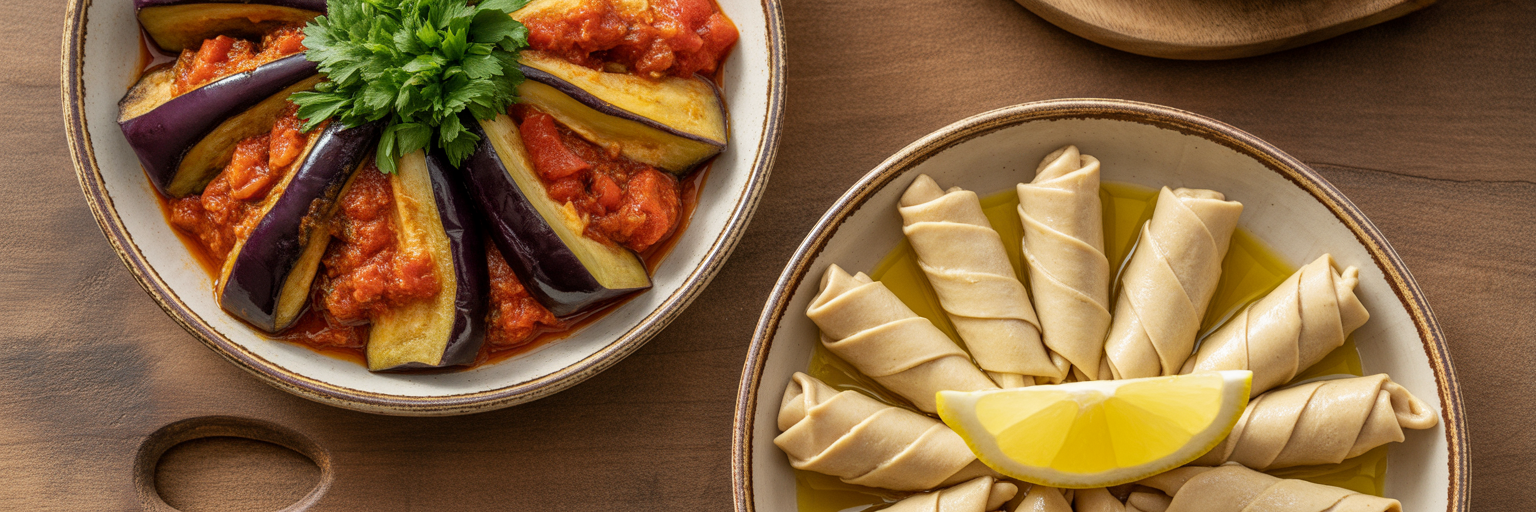
So, what is Turkish meze? It is far more than a simple appetiser. Mezes are the opening act of a communal meal, a colourful array of small dishes designed for sharing, lingering, and talking. They are central to the culture of the meyhane (tavern), where friends gather for hours, slowly enjoying food and drink. The table becomes a mosaic of tastes and textures, with each dish inviting conversation. While the options are endless, a few classics are always present.
Each meze tells a story of its region and the fresh ingredients available, setting the stage for the dishes to come.
The word ‘kebab’ often brings a single image to mind, but in Turkey, it represents a diverse family of grilled dishes. It is a broad term for meat cooked over a fire, with countless regional variations. Understanding the difference between the most iconic types is the first step to appreciating this culinary craft.
According to Saveur, Istanbul’s food scene offers a journey through Turkey’s best dishes, from street-side döner to upscale restaurant kebabs, highlighting the food’s cultural importance. For those wondering how to make Turkish kebab at home, the secret often lies in the preparation before it even hits the heat. The marinade, typically a blend of yogurt, olive oil, and spices, is what tenderises the meat and builds a foundation of flavour, especially in the robust preparations from southeastern Turkey.
| Feature | Döner Kebab | Shish Kebab (Şiş Kebap) |
|---|---|---|
| Meat Preparation | Seasoned meat stacked in a cone | Marinated cubes of meat |
| Cooking Method | Slowly grilled on a vertical rotisserie | Grilled horizontally on skewers over charcoal |
| Common Serving Style | Thinly shaved, in bread or on a plate | Served on skewers or plated with sides |
| Primary Flavour Source | Seasoning rub and slow roasting | Marinade and charcoal smoke |
This table highlights the fundamental differences in preparation and cooking that give each kebab its distinct character and flavour profile.
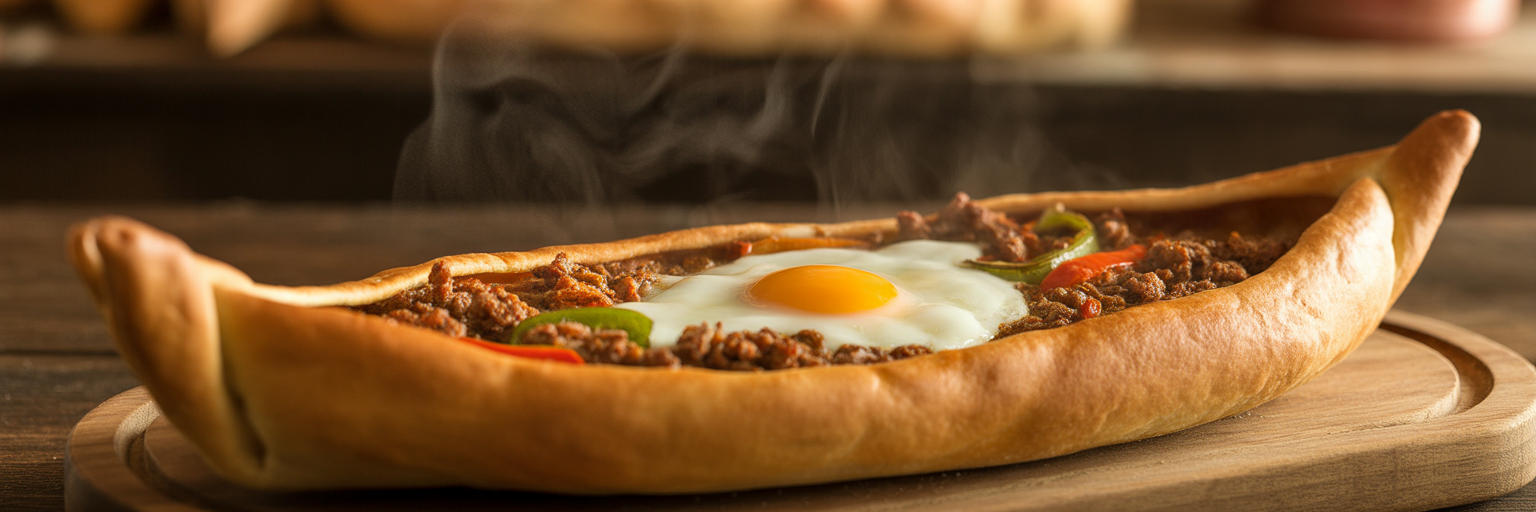
Savoury baked goods are the comfort food of Turkish daily life. You can smell them baking from the local fırın (bakery) on any city street. Two staples you will find everywhere are Pide and Börek. Pide is often called ‘Turkish pizza’, but its boat-shaped, chewy-yet-crispy crust, baked in a stone oven, gives it a unique character. Common toppings include kıymalı (spiced minced meat) or peynirli (salty, melted cheese).
Börek, on the other hand, is a versatile family of pastries made with paper-thin sheets of yufka dough. It can be layered like the rich and tender su böreği (‘water börek’) or coiled into spirals like gül böreği (‘rose börek’), often filled with spinach, cheese, or meat. These pastries are not just for special occasions. They are a go-to for a quick breakfast or lunch, picked up from a neighbourhood börekçi (börek shop). Exploring the vibrant streets and bakeries of Turkey is a visual feast, much like the scenes you can find in this beautiful 4K video of Istanbul.
The soul of traditional Turkish cuisine is found in ev yemekleri, or home-cooked meals. These are the dishes that carry the warmth of family kitchens and the stories of generations. Two perfect examples are Mantı and Ezogelin Çorbası. Mantı are tiny, handmade dumplings, typically filled with a pinch of seasoned ground meat. The magic, however, is in how they are served. After being boiled, the dumplings are generously covered in a cool, garlic-yogurt sauce and then drizzled with sizzling butter infused with dried mint and red pepper flakes. It is a true labour of love.
Ezogelin Çorbası is more than just a red lentil soup. Made with bulgur, rice, and dried mint, its name comes from a legend about ‘Ezo the bride,’ a beautiful woman from a village near Gaziantep who created this soup to win over her mother-in-law. This story adds a layer of cultural depth to a simple, nourishing dish. These are the kinds of authentic Turkish food recipes passed down through families, each with its own small variation.
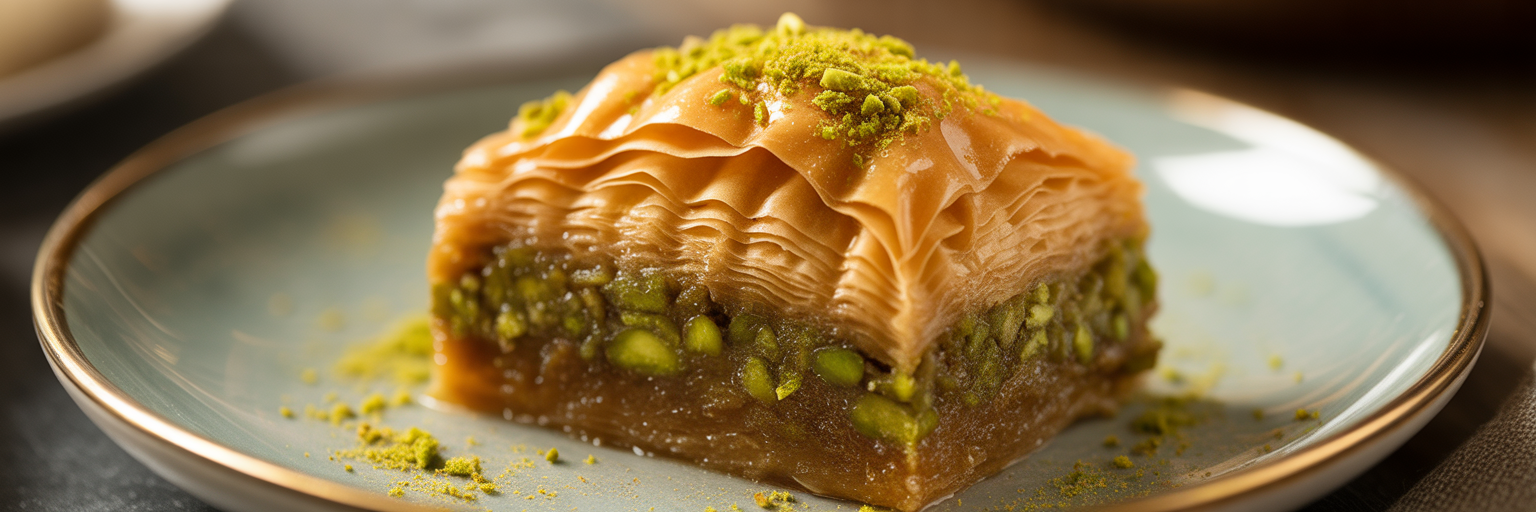
No Turkish meal is complete without a sweet finish, and the country’s confections are legendary. These are some of the best Turkish desserts, celebrated for their intricate craftsmanship and deep cultural roots. Baklava is perhaps the most famous, but authentic versions are a world away from the overly sweet imitations found elsewhere. True baklava features dozens of paper-thin layers of phyllo dough, filled with chopped nuts and soaked in a light syrup. The best is airy and crisp, a specialty of the city of Gaziantep.
For a completely different experience, there is Künefe. This dessert is a sensory delight, meant to be eaten hot from the oven. It features a layer of unsalted, stringy cheese baked between two layers of crispy, shredded kadayıf dough. Soaked in a sweet syrup and often topped with crushed pistachios, the contrast between the crunchy exterior and the melted, gooey cheese inside is unforgettable. These desserts are not just treats. They are symbols of joy and hospitality, central to celebrations like religious holidays and weddings. To further explore Turkish culture and its festive traditions, you can visit Turkish.TV, a platform dedicated to Turkish entertainment.
Feeling inspired to explore these flavours for yourself? You do not need a plane ticket to start your culinary journey. Here are a few practical tips to guide you:
Food is a wonderful gateway to culture. Use these classic Turkish dishes as your starting point for a deeper adventure. For those who wish to continue their journey into Turkish culture beyond the kitchen, platforms like Turkish.TV offer a rich library of content to explore.


Be the first to comment
